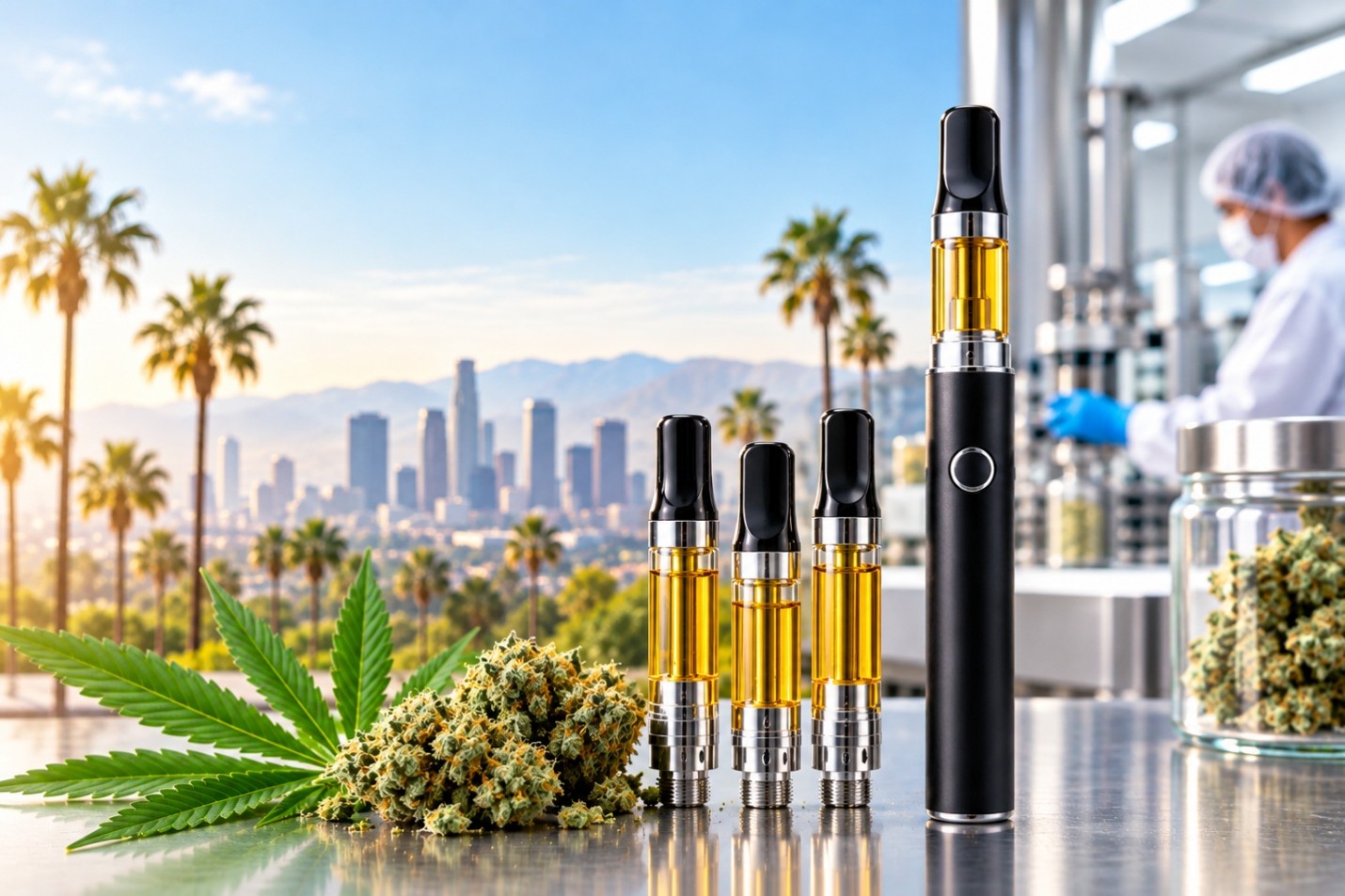
How to Choose a Reliable Cannabis Vape Manufacturer in California
October 12, 2026
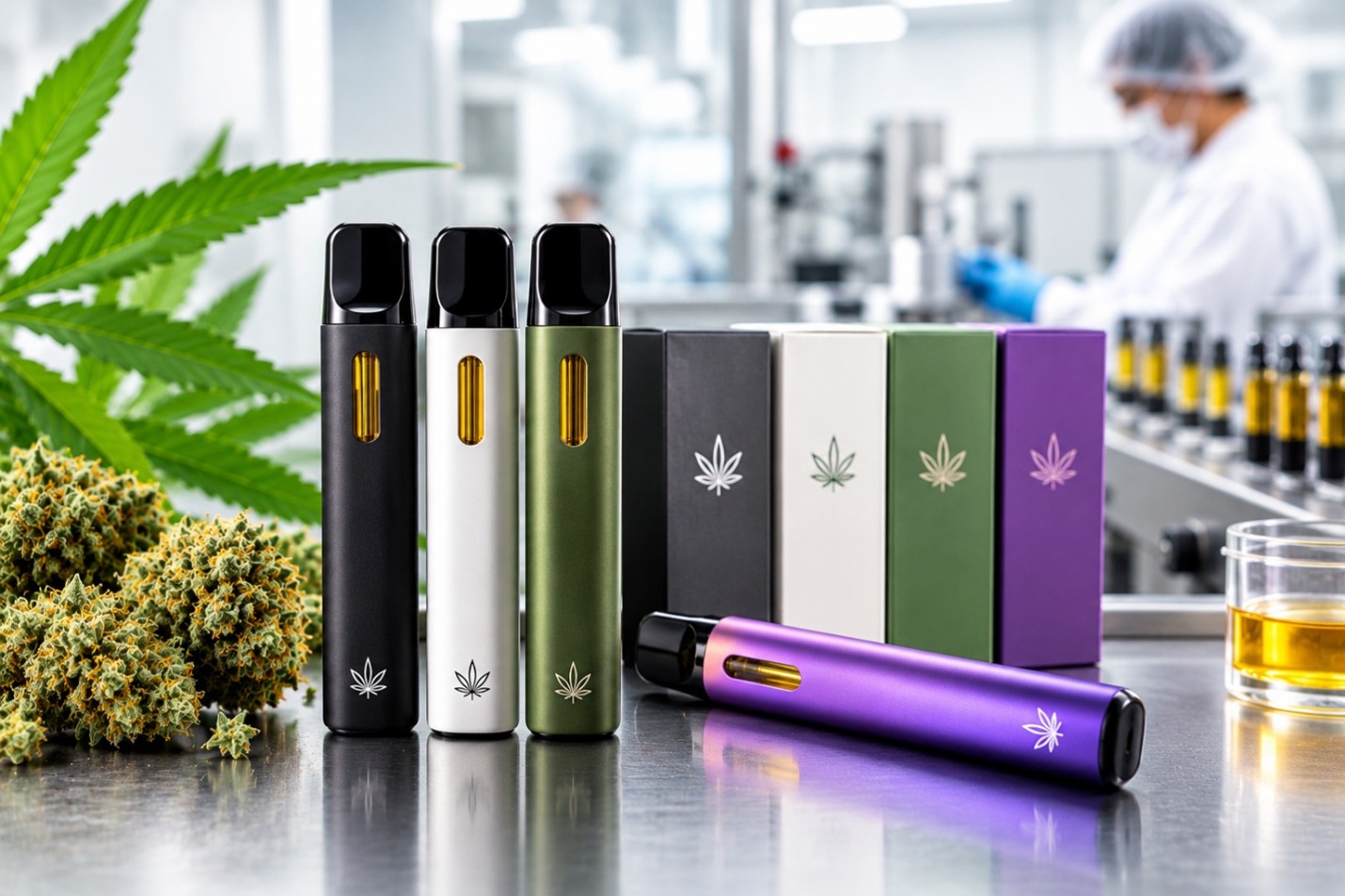
The cannabis market in California has changed a lot in the past few years. Regulations are strict, customers are more informed, and product quality is discussed in detail. In this space, a modern cannabis manufacturer is not just someone who produces concentrates.
It is a company that understands safety, science, craft, and responsibility. Greenmount LLC, founded in 2017 by Thair Daoud, Zaid Jadan, and Steven Daoud, works within this structured environment. Its story reflects how manufacturing today requires discipline, technical knowledge, and respect for the plant.
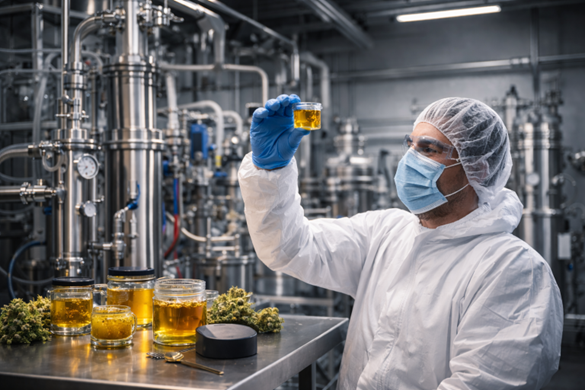
To understand what sets a company apart, it is important to understand Type 7 manufacturing in California. This license allows volatile solvent extraction, which includes the use of substances such as butane, propane, or ethanol. These solvents evaporate quickly and can create fire risks if not handled in the right way.
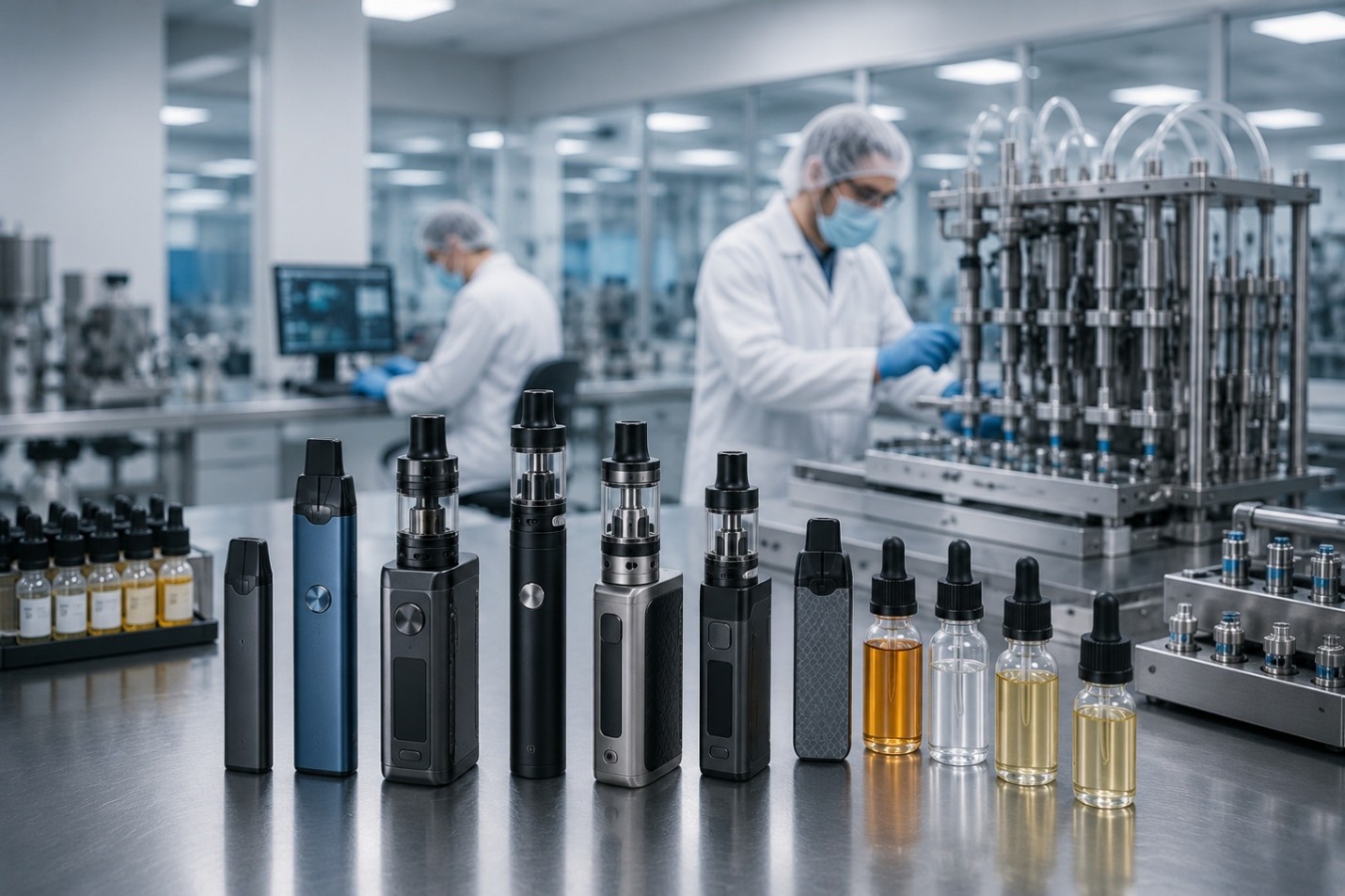
A Type 7 cannabis manufacturer must meet higher safety standards compared to non-volatile operations. The facility must be properly zoned and approved by local authorities. Fire code compliance is not optional. Closed-loop extraction systems must be certified by licensed engineers. Electrical systems in certain areas must be explosion-proof.
There are also strict documentation duties:
This level of oversight shapes daily operations. It creates discipline in every step of production.
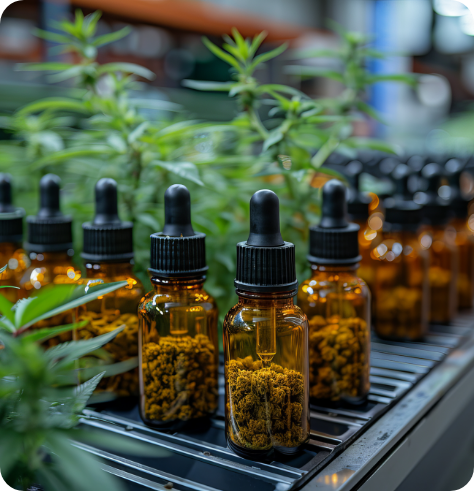
Greenmount LLC began its journey in 2017 with three founding members who saw potential in small-batch concentrate production. Instead of scaling too quickly, the company focused on systems, training, and technical structure.
From the start, the goal was clear. The mission is to craft premium, small-batch cannabis concentrates and vape products that honor the plant and raise the consumer experience while meeting California’s safety standards.
The company operates in over 400 retail dispensary locations across California. That reach did not come from loud marketing. It came from steady manufacturing practices, consistent batches, and compliance with state testing requirements.
One major difference in a modern cannabis manufacturer is the shift toward small-batch production. This model allows closer attention to each run.
Greenmount LLC focuses on:
Small-batch work means technicians can monitor texture, aroma, and consistency more closely. It also allows for limited drops and collaborations without changing the core manufacturing structure.
This approach feels more personal. It reflects care rather than volume.
Live resin carts have become popular because they capture more of the plant’s original terpene profile. The process begins with fresh-frozen flowers rather than dried material. This helps preserve aroma compounds that would otherwise degrade.
In a Type 7 facility, live resin is extracted using hydrocarbon methods, usually butane or propane, in a closed-loop system. After extraction, the concentrate goes through purging and refinement to remove residual solvents. Each batch must pass state-mandated testing before it can be packaged.
Not every product in a modern facility uses volatile solvents. Rosin carts are made using heat and pressure to extract oil from premium flower or hash. This solventless method appeals to consumers who prefer minimal processing.
Rosin extraction still falls under manufacturing regulations, even though it does not involve volatile chemicals. Equipment must be clean and controlled. Batches must be logged into METRC. Final products must pass laboratory testing.
Rosin carts offer:
The texture and viscosity of rosin can vary, so blending and cartridge filling require skill. It is not just pressing and packaging. It demands experience and steady hands.
Badder is another concentrate that shows how detail matters. This product is often hydrocarbon-extracted and then whipped into a creamy, soft texture. The whipping stage changes consistency without removing flavor.
Temperature-controlled purging is important here. Too much heat can affect terpene content. Too little purging can leave unwanted solvent traces.
Greenmount LLC produces small-batch badder runs for exclusive drops and collaborations. Texture, aroma, and stability are monitored closely. Consumers who choose badder often care about mouthfeel and vapor density, not only potency.
In this area, a cannabis manufacturer must balance science with sensory judgment. Laboratory numbers matter, but so does how the concentrate feels in the jar.
A modern facility works in clear stages. Each stage connects to the next.
Production Flow at a Type 7 Facility
| Stage | Main Activity | Key Control Point |
| Input Preparation | Fresh-frozen flower or premium hash selection | Material quality check |
| Extraction | Hydrocarbon extraction or rosin pressing | Closed-loop system safety |
| Post-Processing | Purging, whipping, distillation, and terpene blending | Temperature and solvent testing |
| Filling | Precision cartridge filling | Hardware compatibility |
| Packaging | Labeling and compliance review | State regulation check |
Each batch must pass state testing for potency, residual solvents, heavy metals, and microbial presence. Vape hardware must also meet heavy metal and leachability standards. These checks add time, but they also build trust.
Safety in a Type 7 environment is not a one-time checklist. It is a routine. Employees receive structured training. Standard Operating Procedures guide extraction, cleaning, and emergency response.
Important safety elements include:
Because volatile solvents can be dangerous, the margin for negligence is zero. Fire department approvals and building inspections are part of the business landscape.
In this setting, being a cannabis manufacturer is closer to operating a small chemical plant than a casual workshop. Discipline becomes part of the company culture.
When people speak about modern cannabis production, they often focus on growth numbers or market trends. Yet what truly sets a company apart is often quieter. It is the discipline of Type 7 compliance, the patience of small-batch work, and the care taken in products like rosin carts, live resin carts, and badder.
Greenmount LLC reflects this steady approach. A cannabis manufacturer today stands at the meeting point of engineering and craft, where safety rules and plant character exist side by side, without noise, just careful work done each day.